

Osteoarthritis and rheumatoid arthritis are two common types of arthritis, but they are not the same condition. Both can cause joint pain, stiffness, and difficulty moving, but they happen for different reasons and may need different types of care. A clear osteoarthritis vs rheumatoid arthritis comparison can help you understand why similar joint symptoms may come from very different conditions.
This is why comparing osteoarthritis vs rheumatoid arthritis can be helpful. Many people use the word “arthritis” as if it means one single problem, but arthritis includes many conditions that affect joints and nearby tissues.
Osteoarthritis is often linked with wear-and-tear changes in the joint over time, while rheumatoid arthritis is an autoimmune condition where the immune system attacks the body’s own tissues. Because the causes are different, the symptoms, patterns, and treatment approach can also be different.
This guide explains the key differences, common symptoms, possible causes, warning signs, and when to seek medical advice.
What Is Osteoarthritis?
Osteoarthritis, often called OA, is a degenerative joint condition. It happens when the tissues inside a joint gradually change or break down over time.
Many people think osteoarthritis is only about “old age,” but that is too simple. Age can increase the risk, but osteoarthritis can also be linked with previous joint injury, repeated stress, excess load on the joint, genetics, muscle weakness, and long-term movement patterns.
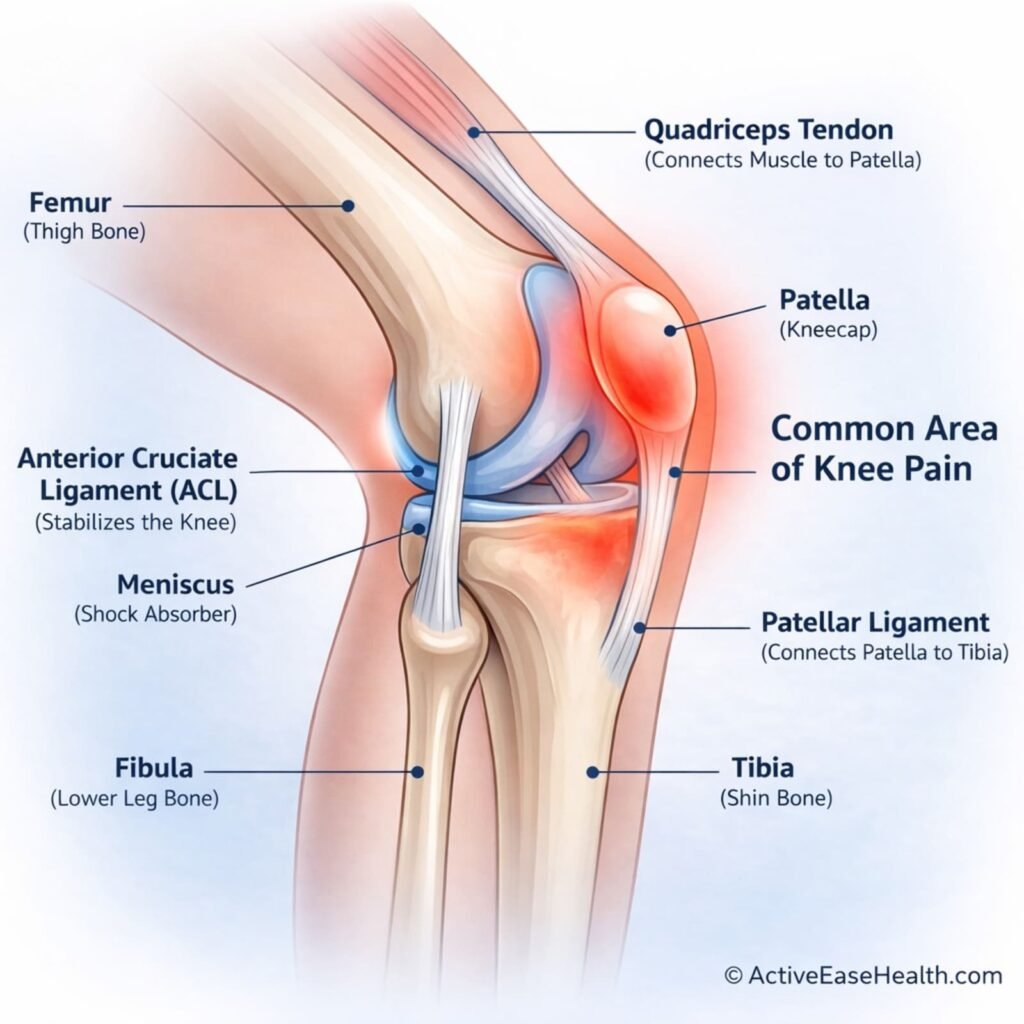
Osteoarthritis most commonly affects joints such as the knees, hips, hands, spine, and lower back. It can cause pain, stiffness, tenderness, reduced movement, and sometimes swelling or grinding sensations.
A common OA pattern is that symptoms may feel worse after activity or after using the joint for a long time. Some people also feel stiffness after resting, but this stiffness is often shorter compared with inflammatory arthritis.
In an osteoarthritis vs rheumatoid arthritis comparison, osteoarthritis is usually more connected with gradual joint changes, repeated stress, or previous joint injury.
What Is Rheumatoid Arthritis?
Rheumatoid arthritis, often called RA, is a chronic autoimmune disease. This means the immune system mistakenly attacks healthy tissue, especially the lining of the joints.
RA can cause joint pain, swelling, stiffness, warmth, and reduced function. It often affects multiple joints and commonly involves smaller joints such as the hands, wrists, and feet. Symptoms may also appear in a symmetrical pattern, meaning both sides of the body may be affected.
Unlike osteoarthritis, rheumatoid arthritis is not simply a wear-and-tear issue. It involves inflammation driven by the immune system. Because of this, RA can sometimes affect more than the joints and may cause tiredness, low energy, or general symptoms.
RA should be taken seriously because early diagnosis and treatment can help reduce the risk of long-term joint damage. This is a major osteoarthritis vs rheumatoid arthritis difference because rheumatoid arthritis involves immune-system inflammation, not just joint wear and tear.
Osteoarthritis vs Rheumatoid Arthritis: Simple Difference
When comparing osteoarthritis vs rheumatoid arthritis, the simplest difference is this:
Osteoarthritis is usually related to joint tissue changes over time. Rheumatoid arthritis is an autoimmune inflammatory disease.
Both can cause joint pain and stiffness, but the pattern is often different.
Osteoarthritis may affect one side more than the other and may be linked to activity, age, injury, or repeated stress. Rheumatoid arthritis often affects multiple joints and may involve morning stiffness, swelling, warmth, fatigue, and symptoms on both sides of the body.
However, symptoms can overlap. That is why self-diagnosis is not reliable. If symptoms are persistent, worsening, or affecting daily life, it is better to seek medical advice.
7 Key Differences Between Osteoarthritis and Rheumatoid Arthritis
Understanding osteoarthritis vs rheumatoid arthritis differences can help you know what to watch for. These signs do not confirm a diagnosis, but they can help you describe symptoms more clearly to a healthcare professional.
1. Cause of the Condition
Osteoarthritis is commonly linked with gradual changes in the joint. Cartilage, bone, ligaments, muscles, and other joint tissues may be involved. It may develop slowly over time, especially in joints that have been stressed, injured, or heavily used.
Rheumatoid arthritis is caused by the immune system attacking the body’s own joint lining. This creates inflammation that can damage joint tissues if not managed.
This is one of the biggest differences between the two conditions. OA is usually more mechanical and degenerative, while RA is autoimmune and inflammatory.
2. Joint Pattern
Osteoarthritis often affects joints that carry weight or are used frequently, such as the knees, hips, hands, and spine. It may affect one joint or one side more than the other.
Rheumatoid arthritis often affects smaller joints first, especially in the hands, wrists, and feet. It may affect the same joints on both sides of the body.
For example, OA may show up as knee joint pain when walking, while RA may cause stiffness and swelling in both hands or wrists.
3. Morning Stiffness
Morning stiffness can happen in both conditions, but the pattern may be different.
With osteoarthritis, stiffness after rest may improve fairly quickly once the joint starts moving. With rheumatoid arthritis, morning stiffness may last longer and feel more intense.
If stiffness lasts a long time, affects several joints, or comes with swelling and fatigue, it may need medical evaluation.
Learning why joints stiffen with age can also help you understand why stiffness is not always caused by the same condition.
4. Swelling and Warmth
Osteoarthritis may cause swelling, but it is not always obvious. Some people may have joint pain without swelling, especially in earlier or milder cases.
Rheumatoid arthritis more often causes visible swelling, warmth, and tenderness because inflammation is a major part of the condition.
However, swelling alone does not prove RA, and no swelling does not rule out a joint condition. The full symptom pattern matters.
5. Pain Pattern
Osteoarthritis pain often becomes more noticeable with activity, repeated use, or weight-bearing. The joint may feel better with rest, although stiffness can occur after sitting too long.
Rheumatoid arthritis pain may be present even at rest and may be worse after long periods of inactivity. Flares can come and go, and symptoms may change over time.
If pain is linked to exercise, movement, or repeated strain, it may also help to understand joint pain after exercise and how to tell normal soreness from warning signs.
6. General Body Symptoms
Osteoarthritis usually affects the joints directly. It may affect daily life, movement, and comfort, but it does not usually cause whole-body symptoms like fever or fatigue.
Rheumatoid arthritis can sometimes cause broader symptoms such as tiredness, low energy, feeling unwell, appetite changes, or low-grade fever. This happens because RA is an inflammatory autoimmune condition.
If joint symptoms come with general illness, ongoing fatigue, or several joints becoming painful and stiff, medical advice is important.
7. Treatment Approach
Osteoarthritis care often focuses on managing symptoms, improving movement, strengthening muscles, reducing stress on the joint, and supporting daily function.
Rheumatoid arthritis often needs medical treatment to control inflammation and reduce the risk of joint damage. Lifestyle habits can help, but RA usually requires proper diagnosis and ongoing care.
This is why the difference matters. Treating every joint pain problem the same way can delay the right care.
Symptoms of Osteoarthritis
Osteoarthritis symptoms can vary from mild to severe. They may come and go, or they may slowly become more noticeable over time.
Common symptoms may include:
- Joint pain during or after movement
- Stiffness after rest
- Tenderness around the joint
- Reduced range of motion
- Grinding, clicking, or crackling sensations
- Mild swelling in some cases
- Pain that worsens with repeated use
- Difficulty with walking, gripping, bending, or climbing stairs
Some people notice symptoms more in one joint, while others may have several affected areas. OA symptoms often depend on which joint is involved.
For example, hip osteoarthritis may affect walking, knee osteoarthritis may affect stairs, and hand osteoarthritis may affect gripping or fine movements.
Symptoms of Rheumatoid Arthritis
Rheumatoid arthritis symptoms may also vary, but the pattern is often more inflammatory.
Common symptoms may include:
- Joint pain
- Joint swelling
- Warmth around the joint
- Stiffness lasting longer after rest
- Tenderness
- Reduced movement
- Fatigue or low energy
- Symptoms in multiple joints
- Symptoms on both sides of the body
- Flares where symptoms worsen
RA often starts gradually, but in some cases symptoms may appear more quickly. Because early treatment matters, persistent symptoms should not be ignored.
If you notice early joint pain symptoms such as swelling, stiffness, reduced movement, or pain in multiple joints, it is better to take action early.
Which Condition Is More Serious?
The question of osteoarthritis vs rheumatoid arthritis is not about which condition is always worse, but about how each one affects the joints differently.
Both conditions can affect quality of life, but they are serious in different ways.
Osteoarthritis can become painful and limit movement, especially if it affects weight-bearing joints like the knees or hips. It may make walking, exercise, work, and daily tasks harder.
Rheumatoid arthritis can be more aggressive because it involves the immune system and inflammation. Without proper care, RA can cause joint damage and may affect areas beyond the joints.
This does not mean everyone with RA will have severe disease, and it does not mean OA is harmless. The important point is that both conditions deserve attention when symptoms are persistent or limiting.
Can You Have Both Osteoarthritis and Rheumatoid Arthritis?
Yes, it is possible for a person to have both conditions. For example, someone may have rheumatoid arthritis and also develop osteoarthritis in a knee, hip, or hand over time.
This can make symptoms harder to understand without medical evaluation. Pain, stiffness, swelling, and reduced movement may have more than one contributing factor.
That is another reason self-diagnosis is risky. If you are unsure whether symptoms are OA, RA, overuse, tendon irritation, or another joint issue, a healthcare professional can help clarify the cause.
Can Supplements Help Osteoarthritis or Rheumatoid Arthritis?
Many people search for joint health supplements when they have arthritis symptoms. Supplements may be part of a general joint health conversation, but they should not replace diagnosis or medical care.
For osteoarthritis, some people look into ingredients such as glucosamine and chondroitin. Evidence is mixed, and these supplements do not work for everyone. They should not be described as a cure.
For rheumatoid arthritis, supplements should not be used as a replacement for medical treatment. RA is an autoimmune disease and may require specific treatment to control inflammation and reduce the risk of joint damage.
Before taking supplements, especially if you take medication or have a medical condition, it is safer to speak with a healthcare professional.
Simple Joint Care Habits That May Help
Healthy joint habits can support comfort and mobility, especially when symptoms are mild or part of a broader management plan.
Helpful habits may include:
- Gentle low-impact movement
- Strengthening muscles around the joint
- Avoiding long periods of inactivity
- Managing repetitive strain
- Using heat or cold when appropriate
- Maintaining a healthy weight when relevant
- Improving posture and movement mechanics
- Resting during flare-ups or increased irritation
- Seeking medical guidance when symptoms persist
For many people, a balanced routine focused on joint pain relief and mobility can support daily comfort. The goal is not to push through pain, but to move safely and consistently.
If stiffness is a major issue, habits that improve joint mobility naturally may also help support easier movement over time.
When to Seek Medical Advice
You should seek medical advice if joint pain, stiffness, or swelling is persistent, worsening, or affecting daily life.
Consider speaking with a healthcare professional if:
- Joint pain lasts longer than expected
- Morning stiffness lasts a long time
- Several joints are painful or stiff
- Joints are swollen, warm, or tender
- Symptoms affect walking, gripping, lifting, or sleep
- Pain started after an injury
- Symptoms are on both sides of the body
- You feel unusually tired or unwell
- Home care does not help
- Symptoms keep returning
For a trusted overview of arthritis types and symptoms, you can review the CDC guide to arthritis basics.
How Doctors Compare Osteoarthritis vs Rheumatoid Arthritis
Doctors look at the full osteoarthritis vs rheumatoid arthritis symptom pattern before deciding what tests or treatment may be needed.
A healthcare professional may ask about your symptoms, medical history, family history, injury history, daily activities, and which joints are affected.
They may check:
- Joint swelling
- Tenderness
- Range of motion
- Strength
- Walking or movement pattern
- Morning stiffness
- Symmetry of symptoms
- Signs of inflammation
Depending on the situation, they may suggest blood tests, imaging, or referral to a specialist. These checks help determine whether symptoms are more consistent with osteoarthritis, rheumatoid arthritis, another type of arthritis, or a non-arthritis cause.
Conclusion
Osteoarthritis and rheumatoid arthritis can both cause joint pain and stiffness, but they are different conditions. Osteoarthritis is often linked with joint tissue changes over time, while rheumatoid arthritis is an autoimmune inflammatory disease.
The key osteoarthritis vs rheumatoid arthritis differences include the cause, joint pattern, stiffness duration, swelling, pain behavior, whole-body symptoms, and treatment approach.
If symptoms are mild and temporary, simple joint care habits may help. But if pain, stiffness, swelling, fatigue, or reduced movement keeps returning or affects daily life, it is better to seek medical advice.
Understanding the difference between osteoarthritis and rheumatoid arthritis can help you ask better questions, notice warning signs earlier, and avoid treating every joint pain problem the same way
FAQ
What is the main difference between osteoarthritis and rheumatoid arthritis?
Osteoarthritis is usually related to gradual joint tissue changes over time. Rheumatoid arthritis is an autoimmune condition where the immune system attacks joint tissues and causes inflammation.
Which is worse, osteoarthritis or rheumatoid arthritis?
Both can be serious in different ways. Osteoarthritis can limit movement and daily activity, while rheumatoid arthritis can cause inflammatory joint damage if not treated properly. The impact depends on the person and severity.
Can rheumatoid arthritis feel like osteoarthritis?
Sometimes symptoms can overlap. Both can cause pain and stiffness, but RA more often involves swelling, warmth, longer morning stiffness, fatigue, and multiple joints.
Can osteoarthritis cause swelling?
Yes, osteoarthritis can cause swelling in some cases, but swelling may be mild or not always visible. Some people may have joint pain or stiffness without obvious swelling.
Should I take supplements for arthritis?
Do not rely on supplements alone for arthritis symptoms. Some people consider joint supplements, but evidence varies and safety depends on your health situation. Speak with a healthcare professional if symptoms are persistent or if you take medication.
Is osteoarthritis vs rheumatoid arthritis easy to tell apart?
Not always. Osteoarthritis vs rheumatoid arthritis can be confusing because both may cause joint pain and stiffness. The difference depends on the symptom pattern, affected joints, inflammation, morning stiffness, and medical evaluation.

Pingback: Ankle Pain Without Injury: 8 Causes & Simple Relief
Pingback: Joint Pain at Night: 7 Causes & Simple Sleep Tips
Pingback: Knee Stiffness After Sitting: 7 Causes & Simple Relief Tips
Pingback: Thumb Joint Pain When Gripping: 5 Causes & Relief Tips
Pingback: Collagen for Joint Pain: 2 Types, Benefits, Risks & Safety
Pingback: Ageless Knees Review: 5 Essential Facts, Risks & Verdict
Pingback: Arthritis Flare-Up: 5 Triggers, Symptoms & What to Do
Pingback: Menopause Joint Pain: 7 Simple Relief Tips That Help
Pingback: Boswellia for Joint Pain: Helpful 2026 Evidence & Risks
Pingback: Joint Genesis Review: 5 Ingredients, Evidence & Safety