
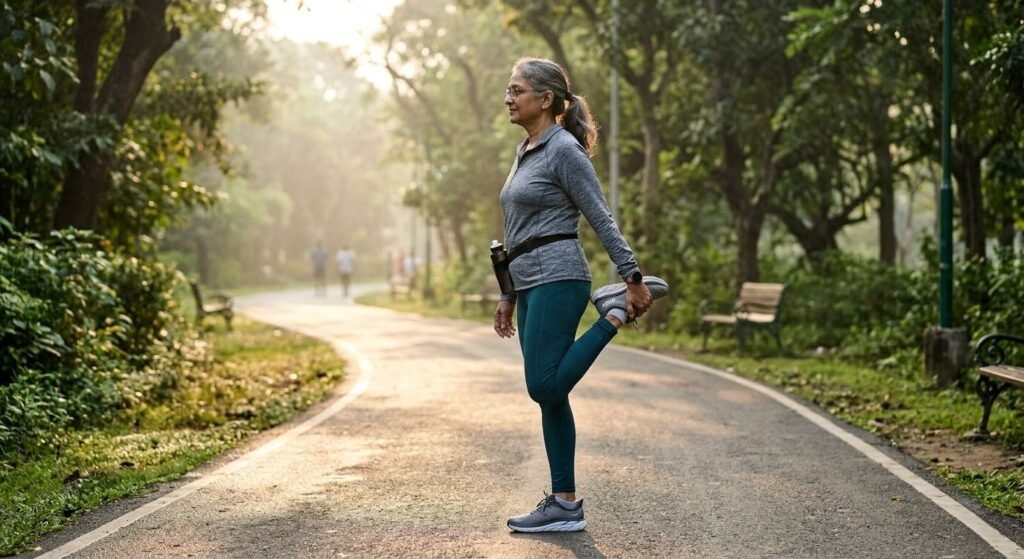
Many people notice that their joints feel less flexible as they grow older. Morning stiffness, tight knees, sore hips, or reduced movement in the shoulders can gradually become more common with age. This often leads people to ask an important question: why do joints stiffen with age?
While aging can affect the joints naturally, stiffness is not always caused by age alone. Lifestyle habits, physical activity levels, muscle strength, inflammation, and overall joint health can all play a role. In many cases, healthy daily habits may help support better mobility and reduce discomfort over time.
Understanding the causes of joint stiffness can help you take early steps to protect your joints and maintain an active lifestyle for years to come.
What Causes Joint Stiffness With Age?
Joint stiffness can develop for several reasons. Some changes happen naturally with aging, while others may be influenced by lifestyle and health conditions. Many people wonder why do joints stiffen with age even when they stay physically active.
Natural cartilage wear over time
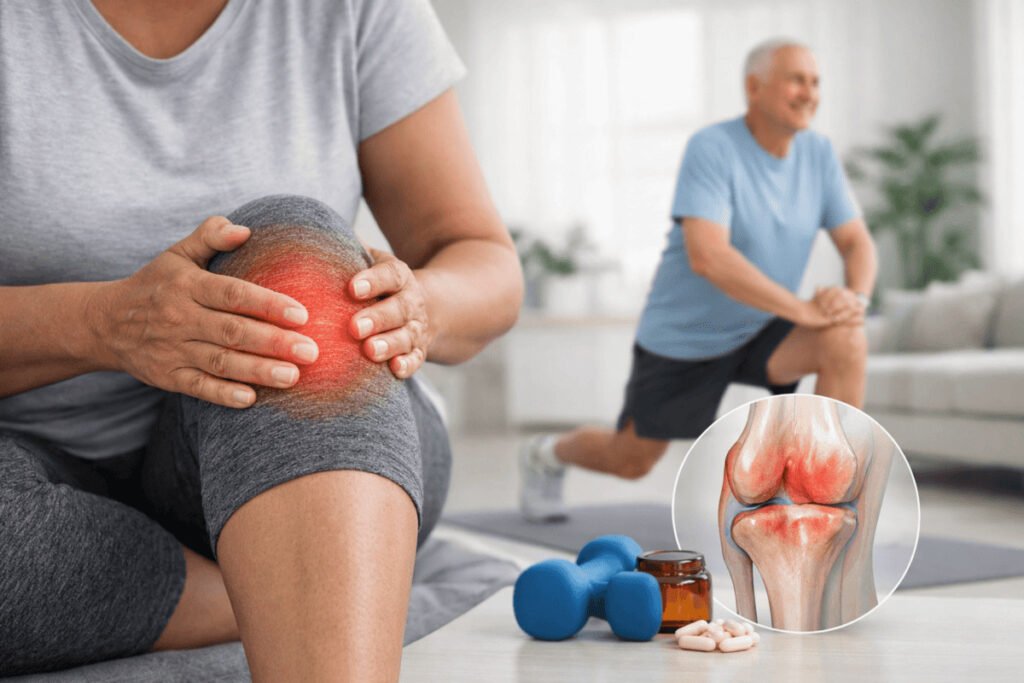
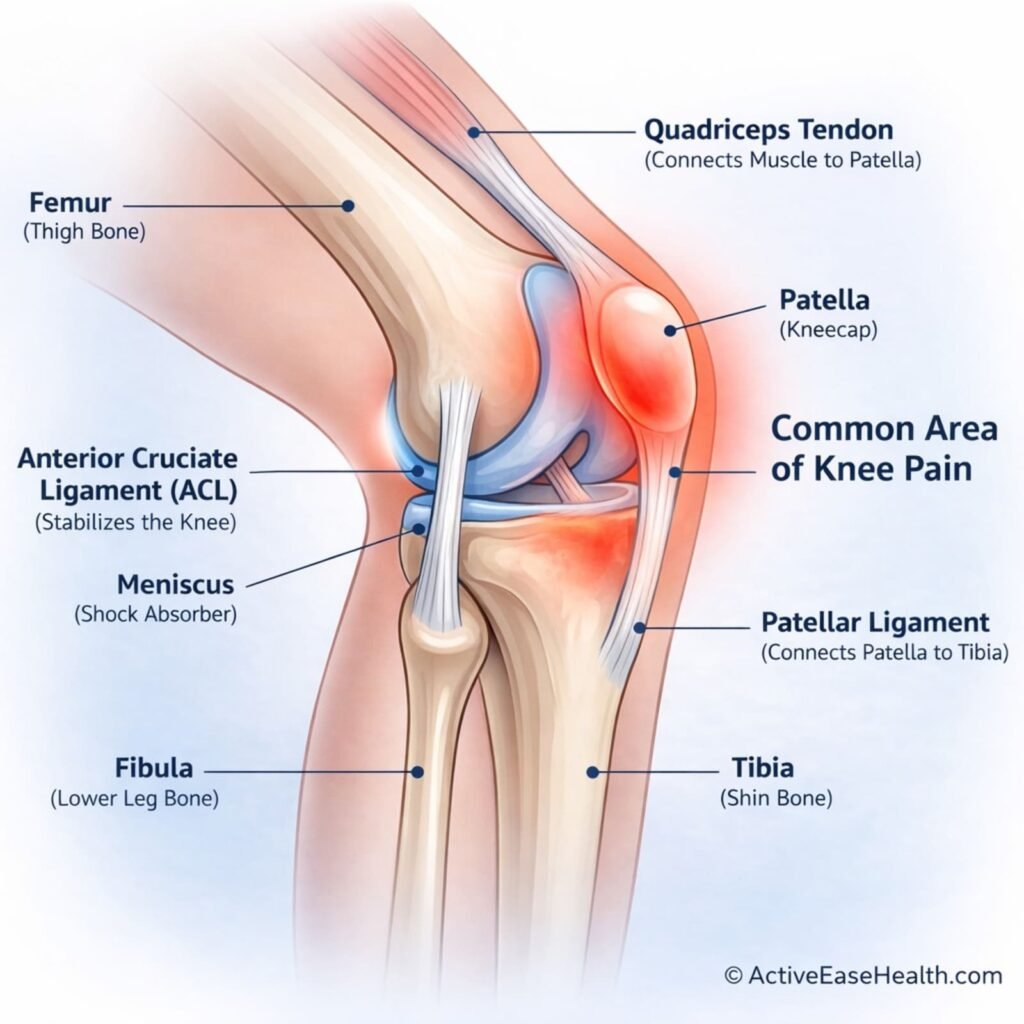
Cartilage is the smooth tissue that cushions the ends of bones inside the joints. Over time, this protective layer may gradually wear down. As cartilage becomes thinner, movement inside the joint may feel less smooth and more uncomfortable.
This natural process may contribute to joint stiffness, especially in weight-bearing joints like the knees and hips.
If you want to better understand common joint-related problems, you can also read our guide on “joint pain causes” from Post #1.
Loss of muscle strength and flexibility
Muscles help support and stabilize the joints. As people age, muscle mass and flexibility may slowly decrease, particularly when regular exercise is limited.
Tight muscles around the joints can reduce range of motion and increase stiffness during daily activities such as walking, climbing stairs, or bending.
Maintaining flexibility and strength is an important part of long-term joint support.
Reduced physical activity
Many adults become less physically active over time. Sitting for long periods or avoiding movement can make joints feel tighter and less flexible.
Regular movement helps circulate joint fluid, which supports smoother motion inside the joints. Without enough movement, stiffness may become more noticeable, especially after resting or waking up in the morning.
Consistent physical activity may help improve flexibility and support healthier movement patterns.
Inflammation and joint conditions
Inflammation can also affect how the joints feel and function. Conditions such as osteoarthritis, rheumatoid arthritis, or previous joint injuries may increase stiffness and discomfort.
According to the Harvard Medical School, inflammation inside the joints may contribute to pain, swelling, and reduced mobility over time.
Persistent inflammation may make daily movement more difficult if not managed properly.
Changes in joint lubrication
Healthy joints contain synovial fluid, which acts like lubrication inside the joint. Aging may reduce the efficiency of this fluid, causing movement to feel less smooth.
This can lead to stiffness after inactivity or during colder weather.
Proper hydration and regular movement may help support healthier joint function naturally.
Common Symptoms of Age-Related Joint Stiffness
Joint stiffness may appear gradually and vary from person to person. People who ask why do joints stiffen with age often notice symptoms becoming more noticeable in the morning or after inactivity.
Some of the most common symptoms include:
- Stiffness after waking up
- Reduced flexibility
- Difficulty bending or stretching
- Discomfort after sitting for long periods
- Cracking or popping sounds during movement
- Slower movement during daily activities
In some cases, symptoms may improve after gentle movement or stretching throughout the day.
Which Joints Are Most Commonly Affected?
Certain joints tend to experience stiffness more frequently with age due to repeated use and pressure over time.
Knees
The knees support body weight during walking, standing, and climbing stairs. Because of this, knee stiffness is very common among older adults.
Hips
Hip joints play a major role in movement and balance. Stiff hips may affect walking comfort and overall mobility.
Shoulders
Shoulder stiffness may make it harder to lift objects, reach overhead, or move the arms freely.
Hands and Fingers
Finger stiffness may affect grip strength and make simple tasks like writing or opening jars more difficult.
Lower Back
The lower back contains multiple joints and supporting muscles that can become tight with age and inactivity.
How to Prevent Joint Stiffness Naturally
Although aging cannot be stopped, healthy lifestyle habits may help support better joint function and flexibility over time. Understanding why do joints stiffen with age may help people make better lifestyle choices for long-term mobility.
Stay Physically Active
Regular movement is one of the best ways to support healthy joints. Walking, swimming, stretching, and low-impact exercises may help improve flexibility and circulation.
You can also explore our guide on “exercises for joint pain relief and mobility” from Post #4 for beginner-friendly movement ideas.
Stretch Regularly
Gentle stretching may help loosen tight muscles and improve joint range of motion.
Morning stretching routines can sometimes reduce stiffness after waking up.
Maintain a Healthy Weight
Excess body weight places additional stress on the knees, hips, and lower back. Maintaining a healthy weight may help reduce pressure on the joints and support easier movement.
Support Joint Mobility Daily
Simple lifestyle habits such as staying active, changing posture regularly, and avoiding long periods of sitting may help support healthier movement patterns.
You may also like our guide on “improve joint mobility naturally” from Post #5.
Eat a Balanced Diet
A nutrient-rich diet that includes vegetables, fruits, healthy fats, and lean protein may help support overall joint health.
Some people also explore “joint support supplements” as part of their long-term wellness routine, though results may vary depending on individual needs and health conditions.
Stay Hydrated
Water supports many functions inside the body, including joint lubrication. Proper hydration may help support smoother movement and overall joint comfort.
When Should You See a Doctor?
Occasional stiffness can be common, but some symptoms may require medical attention.
Consider speaking with a healthcare professional if you experience:
- Severe joint pain
- Swelling or redness
- Sudden loss of mobility
- Joint warmth
- Persistent stiffness lasting several weeks
- Difficulty performing daily activities
Early evaluation may help identify underlying joint conditions before symptoms become more serious.
Conclusion
Many people wonder why do joints stiffen with age, especially when everyday movement starts to feel more difficult over time. While aging can affect the joints naturally, factors such as inactivity, muscle weakness, inflammation, and lifestyle habits may also contribute to stiffness.
The good news is that regular movement, stretching, healthy weight management, and supportive daily habits may help improve flexibility and maintain better joint function as you age. Understanding why do joints stiffen with age is an important step toward protecting long-term joint health and mobility.
Taking small steps consistently may help support long-term mobility and overall joint health.
FAQs
Can stiff joints improve with exercise?
Yes. Gentle movement and low-impact exercise may help improve flexibility, circulation, and joint mobility over time.
Is joint stiffness a normal part of aging?
Many people asking why do joints stiffen with age are often experiencing gradual changes in flexibility, muscle support, and joint mobility over time.
Why are joints stiffer in the morning?
Joints may feel stiffer after long periods of inactivity because movement and circulation temporarily slow down during sleep.
Does walking help stiff joints?
Walking may help support circulation, flexibility, and overall joint function when done consistently and comfortably.
Pingback: Osteoarthritis vs Rheumatoid Arthritis: 7 Important Signs
Pingback: Morning Joint Stiffness: 7 Causes & Easy Tips for Relief
Pingback: Menopause Joint Pain: 7 Simple Relief Tips That Help