
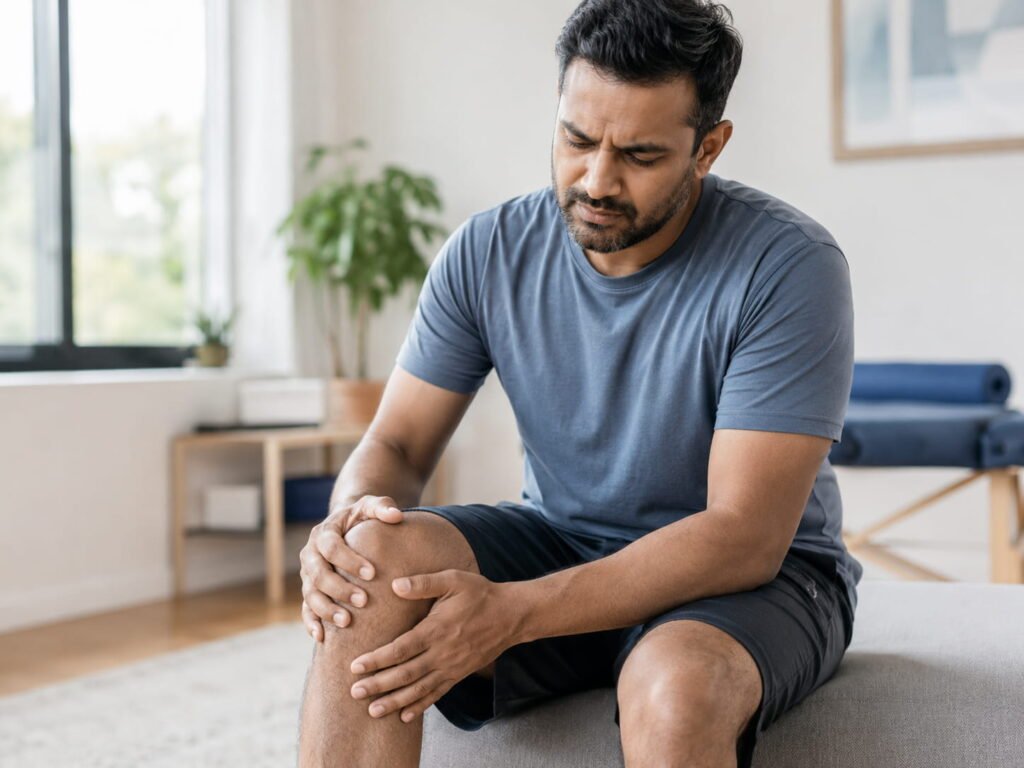
Joint pain without swelling can feel confusing. Many people expect joint problems to come with visible swelling, redness, or warmth. But sometimes a joint can hurt even when it looks completely normal from the outside.
This can happen in the knees, hips, shoulders, elbows, wrists, fingers, ankles, or other joints. The pain may feel dull, sharp, deep, aching, stiff, or uncomfortable during movement. It may appear after exercise, during daily activities, after sitting too long, or without an obvious reason.
The important point is this: joint pain without swelling does not always mean something serious, but it should not be ignored if it keeps coming back, gets worse, or affects your daily life.
This guide explains common reasons for joint pain without swelling, why pain can happen even when a joint does not look inflamed, simple relief steps, warning signs, and when to seek medical advice.
Can You Have Joint Pain Without Swelling?
Yes, you can have joint pain without visible swelling. Swelling is only one possible sign of a joint problem. A joint may hurt because of irritation in muscles, tendons, ligaments, cartilage, nerves, or surrounding soft tissues.
Pain can also come from repeated stress, posture, overuse, early arthritis changes, stiffness, or referred pain from another area. In these situations, the joint may look normal even though movement feels uncomfortable.
Visible swelling usually means there is fluid buildup or inflammation around the joint. But pain can appear before swelling develops, or it may happen without swelling at all.
That is why it is important to look at the full pattern of symptoms, not just whether the joint is swollen.
Common Symptoms That May Come With Joint Pain Without Swelling
Joint pain without swelling may still come with other symptoms. These symptoms can help you understand whether the issue is mild, activity-related, or something that needs medical attention.
You may notice:
- Pain when moving the joint
- Aching after activity
- Stiffness after rest
- Reduced range of motion
- Weakness around the joint
- Tenderness when pressing nearby areas
- Clicking or popping
- Pain that improves with gentle movement
- Pain that worsens with repeated use
- Morning stiffness
- Discomfort during exercise or daily tasks
If you notice early joint pain symptoms such as stiffness, reduced movement, recurring pain, or discomfort during normal activities, it is better to pay attention early instead of waiting until symptoms become worse.
7 Common Causes of Joint Pain Without Swelling
Joint pain without swelling can happen for several reasons. The cause may depend on your age, activity level, posture, work habits, exercise routine, previous injuries, and whether one joint or many joints are affected.
1. Overuse or Repetitive Strain
Overuse is one of the most common reasons for joint pain without swelling. Repeating the same movement again and again can irritate the tissues around a joint.
This may happen from typing, lifting, cleaning, gardening, running, climbing stairs, gaming, driving, or using tools. The joint may not swell, but it can still feel sore, tired, tight, or painful.
Overuse pain is often worse after activity and may improve with rest, better technique, and gentle movement breaks.
For example, wrist discomfort from repeated typing may feel like wrist stiffness or aching without obvious swelling. Similarly, shoulder or elbow pain can happen from repeated lifting or poor movement patterns.
2. Muscle or Tendon Irritation
Sometimes the pain you feel “in the joint” actually comes from nearby muscles or tendons. Tendons connect muscles to bones and help move the joint. When they become irritated, the pain may feel like joint pain even if the joint itself is not swollen.
This can happen around the shoulder, elbow, wrist, knee, hip, or ankle. Tendon-related pain may appear during specific movements, such as lifting the arm, bending the elbow, gripping, squatting, or climbing stairs.
This is one reason it is important not to assume every joint pain problem is arthritis. The source may be the surrounding soft tissues rather than the joint surface.
3. Early Osteoarthritis or Wear-and-Tear Changes
Osteoarthritis can cause joint pain, stiffness, and reduced movement. In the early stages, visible swelling may not always be obvious.
Some people notice pain after activity, stiffness after rest, or discomfort when using the joint more than usual. Knees, hips, hands, and the spine are common areas where age-related or wear-and-tear changes may become noticeable.
If you have wondered why joints stiffen with age, it is important to understand that cartilage, muscles, tendons, and movement habits can all change over time.
Early joint changes do not always mean severe damage. But recurring pain should be monitored, especially if it begins affecting walking, gripping, lifting, or daily activities.
4. Joint Stiffness From Lack of Movement
Joints often feel worse when they are not moved enough. Long sitting, inactivity, desk work, poor posture, or avoiding movement because of fear of pain can all contribute to stiffness.
This type of joint pain may feel worse after rest and better after gentle movement. It may not cause swelling, but the joint can feel tight, heavy, or uncomfortable.
Simple habits that improve joint mobility naturally may help reduce stiffness over time. The goal is not to force painful movement, but to keep joints moving in a comfortable and controlled way.
5. Poor Posture or Movement Mechanics
Poor posture and movement habits can place extra stress on joints. For example, rounded shoulders may contribute to shoulder discomfort. Poor wrist position during typing may irritate the wrist. Weak hip or leg muscles may increase knee strain.
This type of pain may not produce swelling because the issue is often related to load, alignment, or repeated stress rather than sudden inflammation.
Pain may appear during certain activities and disappear when the activity stops. If the same movement keeps causing pain, it may be a sign that your body mechanics need attention.
6. Previous Injury or Minor Strain
A previous injury can leave a joint more sensitive, even after the visible swelling is gone. Sprains, strains, falls, sports injuries, or past overuse can change how a joint feels during movement.
Sometimes a minor strain causes pain without major swelling. This can happen when muscles, ligaments, or tendons around the joint are irritated but not severely injured.
If pain started after a fall, twist, impact, or sudden movement, it is safer to be cautious. Do not push through worsening pain just because the joint does not look swollen.
7. Referred Pain or Nerve-Related Pain
Sometimes pain is felt in one area but comes from another part of the body. This is called referred pain. For example, hip or knee discomfort may sometimes relate to the back, muscles, or movement patterns elsewhere.
Nerve irritation can also create pain, burning, tingling, numbness, or weakness without visible swelling. This may happen around the neck, back, shoulder, elbow, wrist, hip, or leg.
If joint pain comes with numbness, tingling, weakness, or pain that travels, it may need medical evaluation.
Is Joint Pain Without Swelling Serious?
Not always. Mild joint pain without swelling can happen from temporary overuse, poor positioning, muscle strain, or stiffness after inactivity.
However, pain without swelling can still be important if it keeps returning, lasts longer than expected, or affects daily life. A normal-looking joint does not always mean the problem should be ignored.
You should pay attention to:
- How long the pain has lasted
- Whether it is getting better or worse
- Whether it affects sleep or normal activities
- Whether it started after injury
- Whether it happens in one joint or many joints
- Whether there is stiffness, weakness, numbness, or reduced movement
- Whether the pain keeps returning after activity
Understanding common joint pain causes can help you avoid assuming the problem is only minor or only age-related.
Joint Pain Without Swelling After Exercise
Joint discomfort after exercise is common, especially if you recently increased intensity, changed your routine, used poor form, or trained without enough recovery.
However, joint pain after exercise should not be ignored if it is sharp, recurring, one-sided, or affecting normal movement. Muscle soreness is usually different from joint pain. Joint pain often feels deeper and may appear during specific motions or weight-bearing activities.
If pain improves with rest and does not return, it may simply be temporary irritation. But if it keeps happening after the same movement, you may need to adjust your technique, reduce intensity, or get professional guidance.
Joint Pain Without Swelling in Different Areas
The location of joint pain can give clues about what may be causing it.
Knee Pain Without Swelling
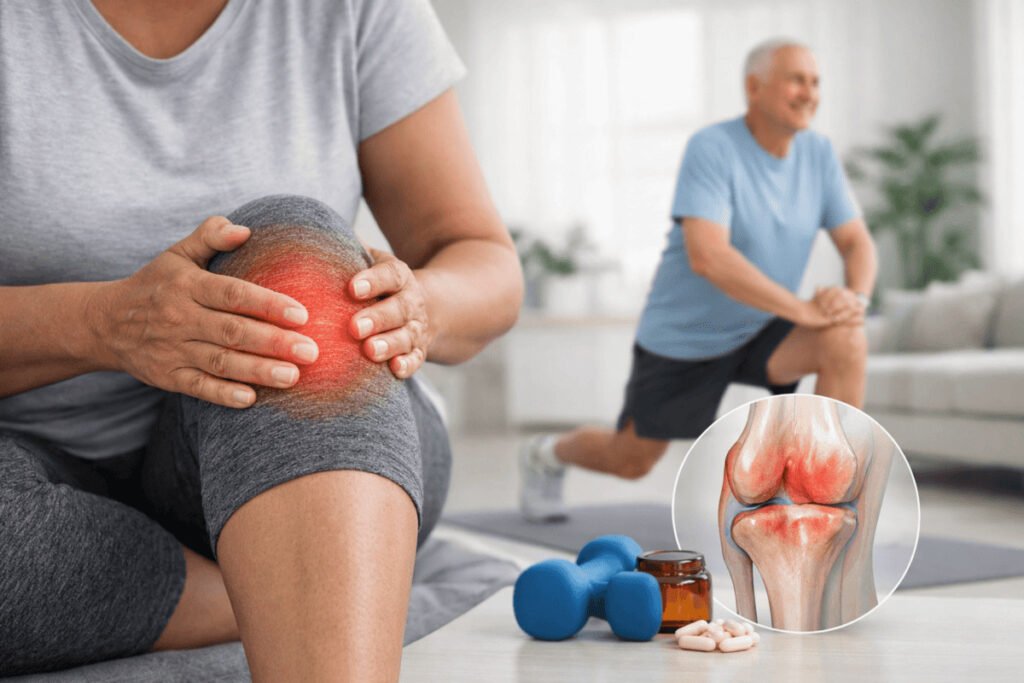
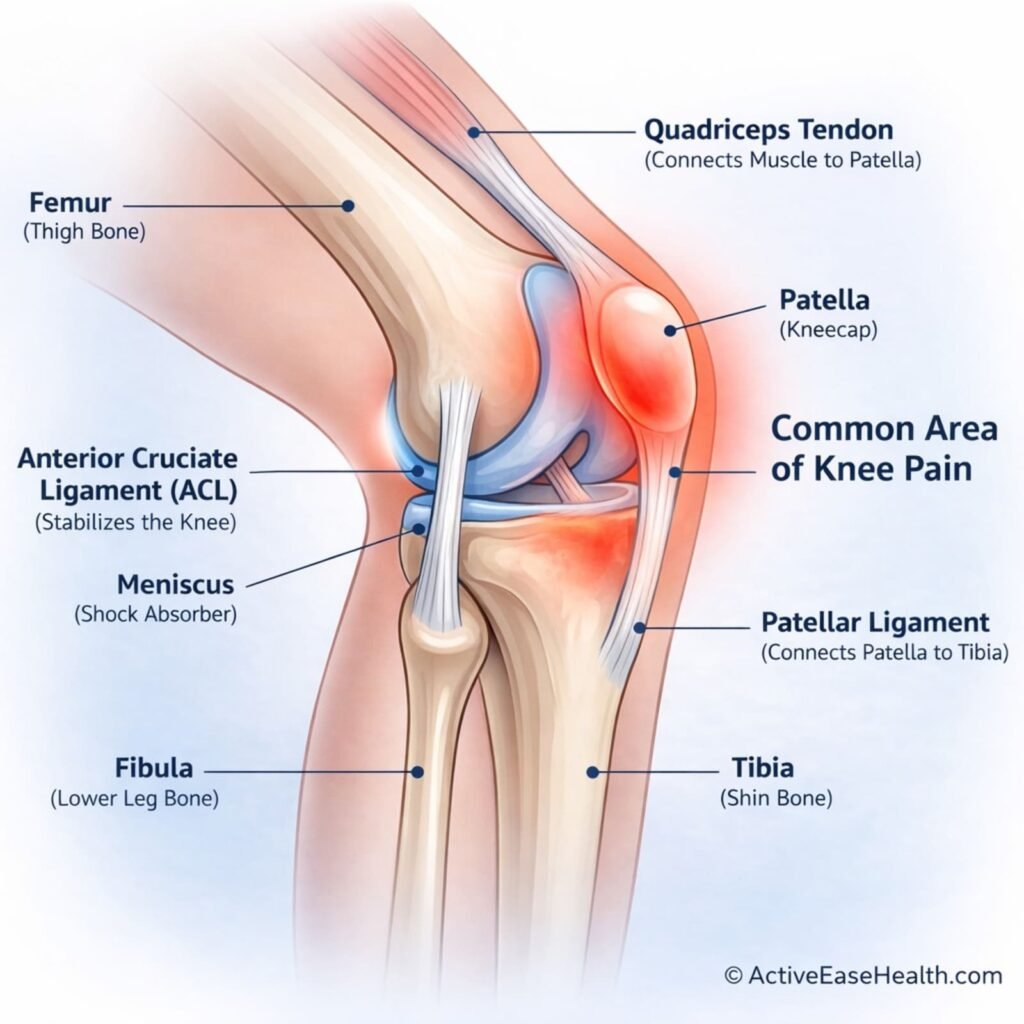
Knee pain without swelling may come from overuse, muscle weakness, poor movement mechanics, early osteoarthritis, tendon irritation, or previous strain.
If you have knee joint pain when walking, pay attention to whether it happens uphill, downstairs, after long sitting, during exercise, or after standing for long periods.
Hip Pain Without Swelling
Hip pain without swelling may relate to the hip joint, surrounding muscles, tendons, lower back, or movement patterns. Hip discomfort that affects walking, sleep, or daily activity should not be ignored.
Shoulder Pain Without Swelling
Shoulder pain without swelling may come from tendon irritation, posture, muscle weakness, or movement limitations. Pain while lifting the arm may be different from general joint pain because the shoulder relies heavily on muscles and tendons for stable movement.
Wrist or Elbow Pain Without Swelling
Wrist and elbow pain without swelling often relates to repetitive use, typing, gripping, lifting, or tendon irritation. These symptoms may be common in people who work at a desk, use tools, exercise, or repeat hand movements.
Simple Relief Tips for Mild Joint Pain Without Swelling
If your joint pain is mild, not related to a serious injury, and not getting worse, simple home care may help. These tips are educational and should not replace medical advice.
Rest Without Complete Inactivity
Rest can help calm irritation, but complete inactivity for too long may increase stiffness. Try reducing painful activity while keeping the joint moving gently within a comfortable range.
Use Gentle Movement
Gentle range-of-motion movements may help reduce stiffness. Move slowly and avoid forcing the joint. If movement causes sharp pain, stop.
Helpful routines for joint pain relief and mobility usually focus on controlled movement, not aggressive stretching.
Modify Painful Activities
Look for activities that trigger symptoms. This may include typing, lifting, stairs, exercise, squatting, gripping, or long sitting.
Small adjustments can help. You may change your posture, reduce load, take breaks, use better technique, or avoid repeating the same movement for too long.
Use Heat or Cold Carefully
Warmth may help stiffness that feels worse after rest. Cold may help after recent irritation or activity-related discomfort.
Avoid heat if the joint is red, hot, swollen, or recently injured. Avoid direct ice on the skin.
Build Strength Gradually
Weak muscles around a joint can increase stress on that joint. Gentle strengthening may help over time, but it should be done carefully.
Do not jump into intense exercise if the joint already hurts. Start slowly and increase gradually when symptoms allow.
Should You Take Supplements for Joint Pain Without Swelling?
Some people think about joint health supplements when they have recurring joint discomfort. Supplements may be part of a broader joint health conversation, but they should not be the first answer for every type of pain.
For example, glucosamine and chondroitin are popular supplement ingredients, but they are not guaranteed to relieve joint pain and may not be suitable for everyone. Joint pain without swelling may come from posture, overuse, tendon irritation, injury, or nerve-related symptoms — and supplements may not address those causes.
It is better to understand the likely cause of pain before assuming a supplement is the solution.
When to Seek Medical Advice
You should seek medical advice if joint pain without swelling does not improve, keeps returning, or affects normal life.
Consider seeing a healthcare professional if:
- Joint pain affects walking, gripping, lifting, sleep, or daily tasks
- Pain is getting worse
- Pain keeps coming back
- Symptoms last longer than expected
- Morning stiffness lasts more than 30 minutes
- Pain started after a fall, twist, or injury
- You have numbness, tingling, weakness, or pain that travels
- The joint becomes red, hot, swollen, or very painful
- You feel unwell or have a fever with joint symptoms
- You have pain in several joints at the same time
- Home care does not help
For safety guidance, you can review NHS guidance on joint pain, especially if pain affects normal activities, keeps returning, or does not improve after home care.
How a Healthcare Professional May Check Joint Pain
A healthcare professional may ask when the pain started, what makes it better or worse, whether there was an injury, and whether you have stiffness, weakness, swelling, fever, numbness, or other symptoms.
They may check your range of motion, strength, tenderness, walking pattern, grip, posture, and joint function. Depending on the situation, they may suggest imaging, blood tests, physical therapy, or further evaluation.
The goal is to find the cause rather than simply treating the pain blindly.
Conclusion
Joint pain without swelling is common and can happen for many reasons. It may be caused by overuse, tendon irritation, early joint changes, stiffness, poor posture, previous injury, or referred pain.
A joint can hurt even when it looks normal. That does not always mean something serious is happening, but recurring or worsening pain should not be ignored.
For mild symptoms, gentle movement, rest, activity modification, better posture, and gradual strengthening may help. But if pain affects daily activities, lasts too long, follows an injury, or comes with warning signs, it is safer to seek medical advice.
The best approach is balanced: do not panic, but do not ignore your body either.
FAQ
Can you have joint pain without swelling?
Yes. Joint pain can happen without visible swelling. The pain may come from overuse, tendons, muscles, early arthritis, stiffness, nerve irritation, or previous injury.
Is joint pain without swelling arthritis?
It can be, but not always. Arthritis may cause pain and stiffness, but joint pain without swelling can also come from soft tissue irritation, posture, exercise, or repetitive strain.
Why do my joints hurt but look normal?
A joint may look normal if there is no visible inflammation or fluid buildup. Pain can still come from tendons, muscles, cartilage, nerves, or movement-related stress.
When should I worry about joint pain without swelling?
Be more careful if the pain is severe, persistent, worsening, affecting daily activities, linked to injury, or comes with numbness, weakness, fever, redness, warmth, or swelling.
What helps mild joint pain without swelling?
Gentle movement, rest from painful activity, posture changes, heat or cold, and gradual strengthening may help mild symptoms. If pain does not improve or keeps returning, seek medical advice.
Pingback: Ankle Pain Without Injury: 8 Causes & Simple Relief
Pingback: Thumb Joint Pain When Gripping: 5 Causes & Relief Tips