
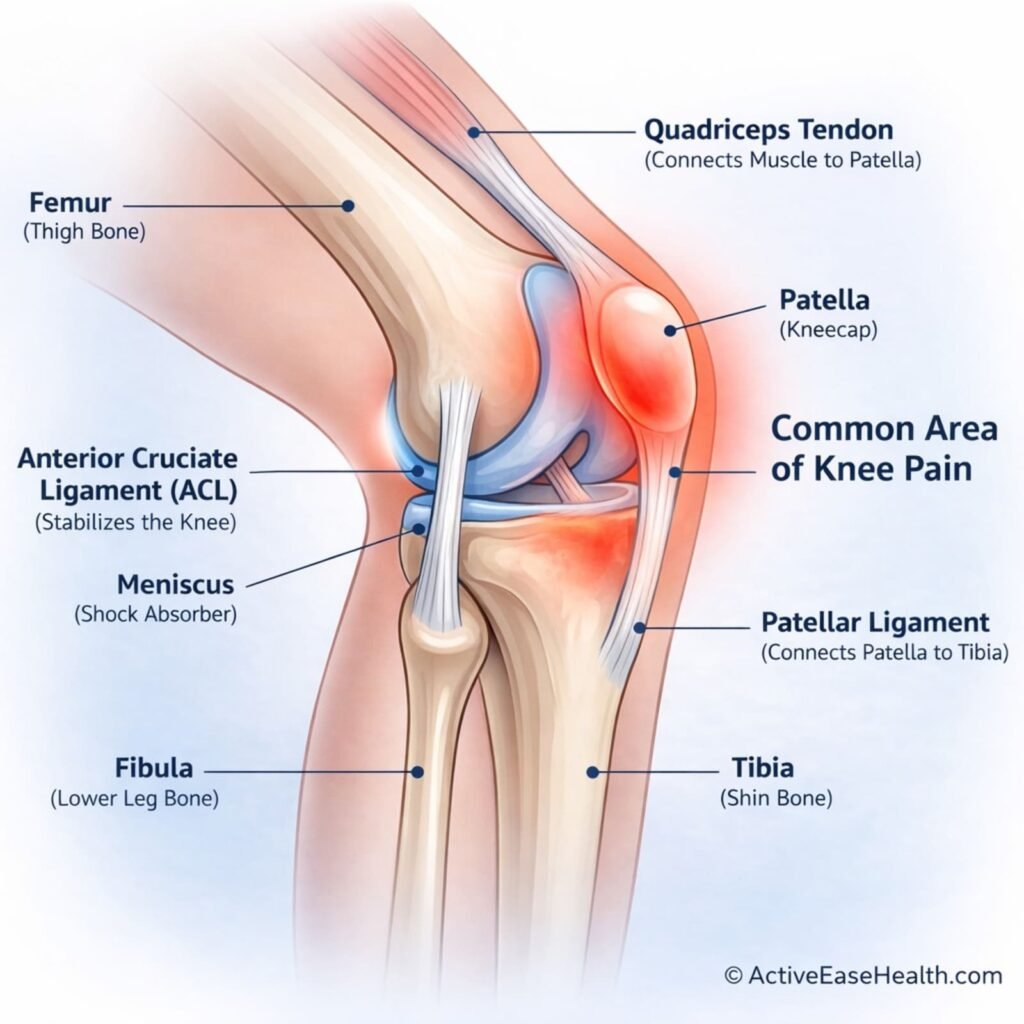
Joint pain is often associated with aging or injury, but the early symptoms can begin much sooner and are frequently overlooked. Many people experience mild discomfort or stiffness in their joints without realizing that these could be early warning signs of an underlying issue.
In the early stages, joint pain symptoms may appear subtle and inconsistent. A slight stiffness in the morning, occasional discomfort during movement, or a reduced range of motion might not seem serious at first. Because these symptoms are not always severe, they are often ignored or dismissed as temporary.
However, paying attention to these early signs is important. Identifying joint pain symptoms at an early stage can help prevent further discomfort and support better joint health over time. Understanding what to look for allows you to take simple, proactive steps before the problem progresses.
Common Early Symptoms of Joint Pain
Early joint pain symptoms are often mild and easy to overlook. These signs may not interfere significantly with daily activities at first, but they can indicate that the joints are under stress or beginning to weaken.
One of the most common early symptoms is stiffness, especially after waking up or sitting for long periods. This stiffness usually improves with movement but can return after periods of inactivity.
Another early sign is mild discomfort during movement. You may notice a slight ache when bending, walking, or using a particular joint. While it may not feel severe, it can gradually become more noticeable over time.
Reduced flexibility is also a key indicator and may be related to underlying causes of joint pain. If a joint does not move as smoothly as before or feels restricted, it may suggest early joint-related issues that should not be ignored.
Warning Signs That Should Not Be Ignored
While early symptoms may be mild, certain warning signs indicate that joint pain may be more serious and require attention. Ignoring these symptoms can lead to worsening discomfort and potential long-term issues.
Swelling around a joint is one of the most noticeable warning signs. It may occur due to inflammation and can make the joint appear larger or feel tender to the touch.
Redness or warmth in the affected area is another sign that should not be ignored. These symptoms often suggest inflammation or irritation within the joint.
Sharp or persistent pain, especially during movement or even at rest, can indicate a more advanced issue. Unlike mild discomfort, this type of pain tends to be more intense and consistent.
When Joint Pain May Indicate a Condition
In some cases, joint pain symptoms may be linked to an underlying condition rather than temporary strain or overuse. Recognizing these situations early can help in understanding the seriousness of the symptoms.
For example, persistent joint pain accompanied by stiffness and swelling may be associated with conditions such as arthritis. These symptoms often develop gradually and may affect multiple joints over time.
Joint pain that follows an injury should also be carefully monitored. If the pain does not improve or worsens after a few days, it could indicate damage to ligaments, cartilage, or other joint structures.
Additionally, if joint discomfort is combined with fatigue or reduced mobility, it may suggest a more complex issue that requires proper attention and evaluation.
How Symptoms Progress Over Time
Joint pain symptoms often develop gradually, starting with mild discomfort and becoming more noticeable over time. Understanding how these symptoms progress can help you recognize when early signs are becoming more serious.
In the beginning, symptoms such as stiffness or slight discomfort may only occur occasionally. They might appear after physical activity or long periods of rest and usually improve with movement.
As time goes on, these symptoms may become more frequent and last longer. You might start noticing discomfort during regular daily activities, and the joint may feel weaker or less stable.
In more advanced stages, pain can become persistent and may occur even at rest. Swelling, reduced mobility, and difficulty performing simple movements can also develop, making it important to pay attention to early warning signs.
What You Can Do If You Notice Symptoms
If you start noticing early joint pain symptoms, taking simple and mindful steps can help manage discomfort and support joint health. Acting early can make a difference in preventing symptoms from becoming more severe.
One of the first things you can do is allow the affected joint to rest. Avoid activities that put excessive strain on the joint, especially if you notice pain during movement.
At the same time, gentle movement and exercises that improve joint mobility can be helpful. Light stretching or low-impact activities may support flexibility and prevent stiffness from getting worse.
Paying attention to posture and daily habits is also important. Small adjustments in how you sit, stand, or move can support better joint pain relief over time.
If symptoms persist or become more intense, it is advisable to seek guidance from a qualified professional who can assess the condition and recommend appropriate steps.
Conclusion
Joint pain symptoms can begin subtly, but they often provide early signals that something may not be right. Recognizing these signs and understanding their progression can help you take timely and informed action.
By paying attention to changes such as stiffness, discomfort, or reduced flexibility, you can better support your joint health and avoid potential complications. Early awareness and simple adjustments in daily habits can make a meaningful difference over time.
If symptoms continue or worsen, seeking appropriate guidance can help identify the cause and provide clarity on the next steps. Staying informed and proactive is key to maintaining long-term joint health.
💡 Support Your Joint Health Early
If you’re starting to notice early signs of joint discomfort, taking action early can make a big difference.
Some people choose to support their joint health with supplements designed to improve flexibility, reduce stiffness, and maintain long-term joint function.
You can also explore how best joint support supplements may help support joint health over time.


Pingback: Best Joint Support Supplements: What Works and What to Know
Pingback: Best Exercises for Joint Pain Relief (Safe Guide)
Pingback: Shoulder Pain When Lifting Arm: 8 Causes & Warning Signs
Pingback: Wrist Stiffness: 7 Causes & Easy Tips for Better Mobility
Pingback: Joint Pain Without Swelling: 7 Causes & Warning Signs