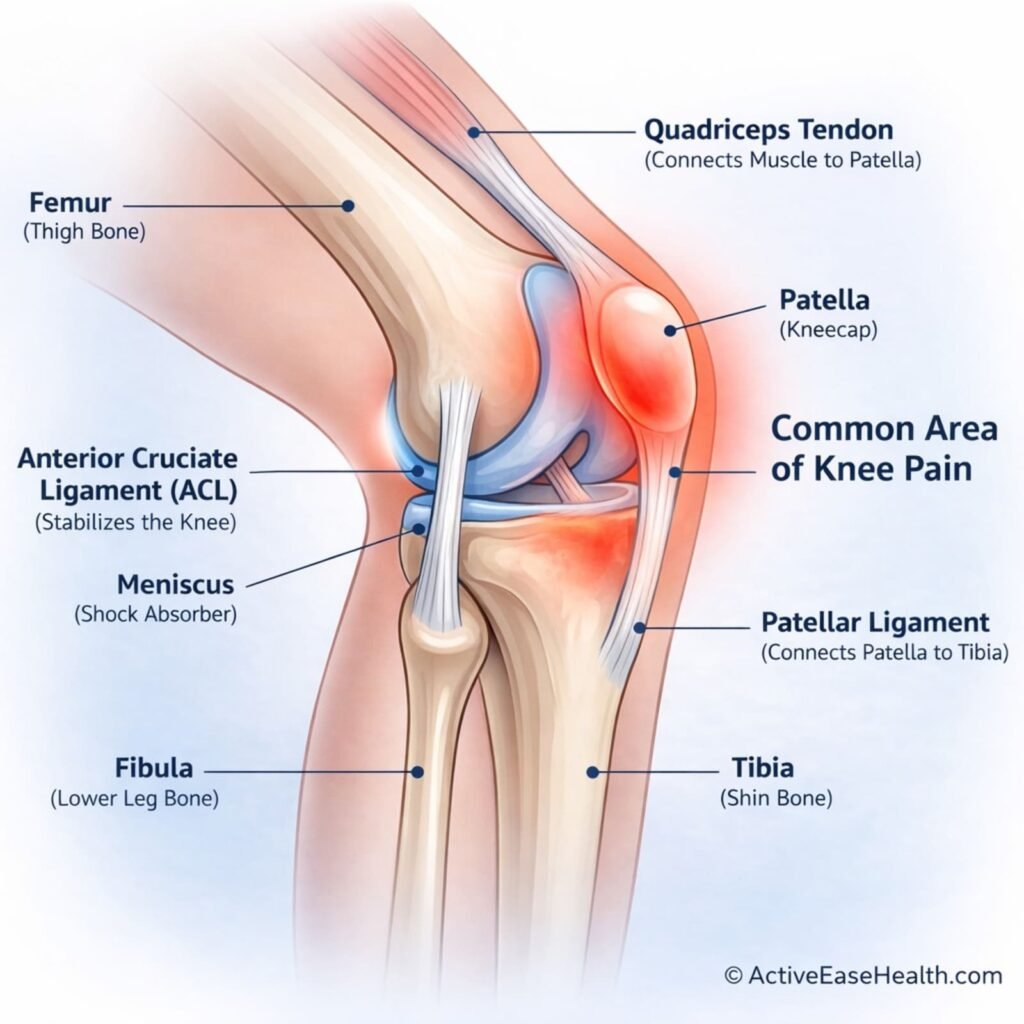

Elbow pain when bending arm can make simple daily tasks feel uncomfortable. You may notice pain when lifting a cup, opening a door, using your phone, typing, carrying groceries, exercising, or trying to fully straighten your arm.
The elbow is a small but important joint. It helps you bend, straighten, rotate, lift, push, pull, grip, and carry. Because the elbow works closely with the forearm, wrist, hand, shoulder, muscles, tendons, and nerves, pain in this area can come from several different causes.
In many cases, elbow pain when bending arm is linked with overuse, tendon irritation, muscle strain, joint stiffness, or pressure around the elbow. Sometimes it may also happen after exercise, repetitive work, sports, or leaning on the elbow for long periods.
Most mild elbow pain improves with simple care, rest from painful movements, and gradual return to activity. But some symptoms should not be ignored, especially if the pain is severe, follows an injury, causes swelling, numbness, tingling, weakness, or makes it difficult to move the arm.
For most readers, the first step is understanding whether elbow pain when bending arm is linked with overuse, stiffness, irritation, or a warning sign that needs medical attention. This guide explains the common causes of elbow pain when bending or straightening the arm, simple relief tips, warning signs, and when to seek medical help.
Why Elbow Pain Happens When Bending or Straightening
The elbow joint allows the arm to bend and straighten, but it also helps with rotation of the forearm. This makes it important for everyday movements like turning a doorknob, using tools, lifting objects, and gripping.
When you bend or straighten your elbow, several structures work together:
- Bones of the upper arm and forearm
- Cartilage inside the joint
- Tendons that attach muscles to bone
- Ligaments that support the joint
- Bursae that reduce friction
- Nerves that travel through the elbow
- Forearm muscles that control gripping and wrist movement
This is why elbow discomfort can sometimes feel connected with nearby areas, especially when shoulder pain during arm movement affects how the whole arm works.
If any of these tissues become irritated, inflamed, strained, compressed, or stiff, movement can become painful. Because elbow pain when bending arm can come from different tissues, the location and trigger of the pain are important clues.
Pain may feel:
- Sharp when bending the elbow
- Sore when straightening the arm
- Achy after gripping or lifting
- Tender on the inside or outside of the elbow
- Worse after exercise or repetitive work
- Stiff after rest
- Linked with numbness or tingling in the hand
The exact feeling and location of pain can give useful clues, but it cannot confirm the cause by itself. If the pain is severe, worsening, or unusual, medical advice is important.
Common Causes of Elbow Pain When Bending Arm
There are many possible reasons for elbow pain. Some are linked with overuse, while others may happen after injury, pressure, swelling, or irritation around the joint.
1. Tennis Elbow
Tennis elbow, also called lateral epicondylitis, is one of the most common causes of pain around the outside of the elbow. Despite the name, you do not need to play tennis to develop it.
Tennis elbow can happen when the forearm muscles and tendons are irritated from repeated gripping, twisting, lifting, or wrist movement. This may happen from sports, gym exercises, computer work, manual work, gardening, cleaning, or using tools.
Common signs may include:
- Pain on the outside of the elbow
- Pain when gripping objects
- Discomfort when lifting with the palm facing down
- Pain when twisting the forearm
- Weak grip strength
- Tenderness around the outer elbow
This type of elbow pain may become more noticeable when bending, straightening, or using the arm repeatedly.
2. Golfer’s Elbow
Golfer’s elbow, also called medial epicondylitis, usually causes pain on the inside of the elbow. Like tennis elbow, it is not limited to golfers.
It may develop when the tendons on the inner side of the elbow become irritated from repeated bending, gripping, twisting, or forceful wrist movement.
You may notice:
- Pain on the inside of the elbow
- Pain when gripping or squeezing
- Discomfort when lifting objects
- Forearm soreness
- Weakness in the wrist or hand
- Pain that worsens with repeated use
Golfer’s elbow can develop gradually, especially when the same arm movements are repeated without enough rest.
3. Elbow Tendon Irritation
Tendons connect muscles to bones. Around the elbow, tendons help control bending, straightening, gripping, and wrist movement.
Tendon irritation can happen from repetitive use, sudden strain, poor lifting technique, or returning to exercise too quickly. If the tendon is overloaded, the elbow may become painful during movement.
This can cause elbow pain when bending arm, straightening the arm, lifting objects, or gripping tightly.
Tendon pain often starts mildly and becomes more noticeable over time. Ignoring it and continuing the same painful movements may make recovery slower.
4. Elbow Bursitis
A bursa is a small fluid-filled cushion that helps reduce friction between tissues. Elbow bursitis often affects the back of the elbow near the bony tip.
It may happen because of direct pressure, repeated leaning on the elbow, injury, infection, or certain inflammatory conditions.
Possible signs include:
- Swelling at the back of the elbow
- Tenderness when touching the elbow
- Pain when bending the elbow
- Warmth or redness if infection is involved
- Reduced elbow movement if swelling is large
If the elbow becomes red, hot, swollen, very painful, or you feel unwell, it is important to seek medical advice.
5. Cubital Tunnel Irritation
The ulnar nerve travels through the inside of the elbow. This area is sometimes called the “funny bone.” When the nerve becomes irritated or compressed, it can cause symptoms that may worsen when the elbow is bent.
This may lead to:
- Aching pain on the inside of the elbow
- Numbness in the ring finger and little finger
- Tingling in the hand
- Symptoms that worsen when holding a phone
- Symptoms at night if the elbow stays bent
- Weak grip in more serious cases
If elbow pain comes with numbness, tingling, or weakness, it should be taken more seriously than simple soreness.
6. Muscle Strain
A muscle strain can happen after lifting something heavy, sudden pulling, sports movement, gym activity, or repetitive work. It may cause soreness around the elbow, forearm, or upper arm.
Muscle strain pain is usually linked with a specific movement or recent activity. It may improve with rest, gentle movement, and avoiding painful tasks for a short time.
However, if the pain is severe, comes with bruising, sudden weakness, or a snapping feeling, medical evaluation is safer.
7. Joint Stiffness or Arthritis
Elbow stiffness can make bending or straightening difficult. This may happen after injury, long periods of reduced movement, inflammation, or age-related joint changes.
Arthritis can also affect the elbow, although it is less commonly discussed than knee or hip arthritis. It may cause pain, stiffness, swelling, or reduced range of motion.
You may notice:
- Morning stiffness
- Difficulty fully straightening the arm
- Pain after activity
- Clicking or grinding
- Swelling around the joint
- Reduced movement over time
If stiffness is getting worse or limiting daily activities, it may need proper assessment.
Pain Location: What It May Suggest
The location of elbow pain can help you understand what may be irritated.
Pain on the Outside of the Elbow
Pain on the outside of the elbow is often linked with tennis elbow or irritation of the forearm tendons. It may feel worse when gripping, lifting, or twisting.
Pain on the Inside of the Elbow
Pain on the inside of the elbow may be linked with golfer’s elbow or ulnar nerve irritation. If the pain comes with numbness or tingling in the ring and little fingers, nerve involvement may be possible.
Pain at the Back of the Elbow
Pain at the back of the elbow may happen with bursitis, pressure on the elbow, injury, or swelling around the bony tip.
Pain Deep Inside the Joint
Deep elbow joint pain may happen with stiffness, arthritis, injury, inflammation, or joint irritation. If movement becomes limited, it should be watched carefully.
Relief Tips for Elbow Pain When Bending Arm
The right relief approach depends on the cause, but these simple steps may help mild elbow pain when there is no major injury or severe symptom. For mild elbow pain when bending arm, the goal is to reduce irritation while keeping the joint gently mobile.
1. Reduce Painful Movements Temporarily
Avoid repeatedly forcing movements that clearly trigger pain. This does not mean complete rest. It means reducing the specific activities that irritate the elbow.
Examples include:
- Heavy lifting
- Repeated gripping
- Forceful twisting
- Painful gym exercises
- Leaning on the elbow
- Long phone use with the elbow bent
- Repetitive tool or keyboard work without breaks
Short-term activity modification may help irritated tissues calm down.
2. Use Ice or Heat Carefully
Cold may help after activity or when the elbow feels irritated. Heat may help if the elbow feels stiff or tight.
Use a towel barrier and keep sessions short. Do not place ice or heat directly on the skin.
3. Keep the Elbow Moving Gently
Complete rest for too long can increase stiffness. Gentle movement may help maintain mobility.
Try moving the elbow slowly through a comfortable range. Avoid pushing into sharp pain. If movement causes worsening pain, reduce intensity and seek guidance if needed.
4. Improve Work and Daily Habits
Small daily habits can affect elbow pain. If you work at a desk, use tools, lift items, or use your phone for long periods, your arm position matters.
Helpful changes may include:
- Keeping wrists and elbows relaxed while typing
- Avoiding leaning directly on the elbow
- Taking short movement breaks
- Using both hands to carry heavier items
- Avoiding repeated gripping without rest
- Keeping the elbow from staying bent for too long
These small changes can reduce repeated stress on the elbow.
5. Return to Exercise Slowly
If your pain started after training, lifting, racket sports, or repetitive exercise, do not rush back into the same movement.
Start with lighter activity and avoid exercises that create sharp pain. Gradual strengthening may help, but aggressive loading too early can make symptoms worse.
6. Consider Gentle Forearm and Grip Strengthening Later
Once pain improves, gentle strengthening may help support the elbow. This may include light forearm, wrist, and grip exercises.
The key is to progress slowly. If strengthening causes pain that lasts or worsens the next day, reduce the load or get professional guidance.
Exercises: Be Careful With Painful Elbow Movement
Exercise can help many elbow problems, but it should not be forced.
You may start with very gentle movements such as:
- Slow elbow bends and straightening
- Gentle wrist movements
- Light forearm rotation
- Relaxed hand opening and closing
- Gentle grip practice without pain
Avoid exercises that cause:
- Sharp pain
- Sudden weakness
- Numbness or tingling
- Increasing swelling
- Pain that gets worse after activity
If symptoms are not improving, a healthcare professional or physiotherapist can help identify the right exercises for your situation.
When Elbow Pain Needs Medical Help
Some elbow pain improves with simple care, but warning signs should not be ignored.
Seek medical advice if you have:
- Severe elbow pain
- Pain after a fall or injury
- A snapping sound during injury
- Elbow swelling that is worsening
- Redness, warmth, or fever
- Numbness or tingling in the hand
- Weak grip or hand weakness
- Difficulty bending or straightening the arm
- A visible deformity
- Pain that does not improve after a few weeks
- Sudden arm pain with chest pressure or shortness of breath
These symptoms may need proper evaluation to rule out injury, infection, nerve irritation, or other serious causes. The NHS guide on elbow and arm pain also explains self-care steps and warning signs that may need medical help.
How to Prevent Elbow Pain From Coming Back
Prevention is about reducing repeated stress and improving how the arm is used during daily tasks.
Helpful habits include:
- Warm up before exercise
- Increase workout intensity gradually
- Avoid sudden heavy lifting
- Use proper form during strength training
- Take breaks from repetitive gripping
- Avoid leaning on elbows for long periods
- Keep wrists relaxed during typing
- Use both hands for heavy tasks
- Strengthen forearm muscles gradually
- Stop movements that create sharp pain
Elbow pain often improves when you reduce repeated irritation and build tolerance slowly.
Conclusion
Elbow pain when bending arm can happen for several reasons, including tennis elbow, golfer’s elbow, tendon irritation, bursitis, nerve compression, muscle strain, stiffness, or arthritis.
Mild pain may improve with activity changes, gentle movement, heat or cold, posture adjustments, and gradual strengthening. But elbow pain should not be ignored if it is severe, follows an injury, causes swelling, numbness, tingling, weakness, redness, warmth, or difficulty moving the arm.
The safest approach is to avoid forcing painful movements, monitor your symptoms, and seek medical advice when warning signs appear. With the right care and consistent habits, many cases of elbow discomfort can improve over time.
FAQ
Why does my elbow hurt when I bend my arm?
Elbow pain when bending arm may happen because of tendon irritation, muscle strain, bursitis, nerve irritation, stiffness, or overuse. The exact cause depends on where the pain is located and what movements trigger it.
Why does my elbow hurt when I straighten my arm?
Pain when straightening the arm may be linked with tendon irritation, stiffness, injury, swelling, or joint irritation. If the elbow cannot fully straighten or pain is severe, medical advice is recommended.
Can elbow pain go away on its own?
Mild elbow pain may improve with rest from painful movements, gentle mobility, and activity changes. Pain that lasts for several weeks, worsens, or comes with swelling, numbness, tingling, or weakness should be checked.
Should I exercise with elbow pain?
Gentle movement may help, but you should avoid exercises that cause sharp pain, worsening symptoms, numbness, or weakness. Return to exercise gradually.
When should I worry about elbow pain?
You should worry if elbow pain follows an injury, causes severe swelling, redness, warmth, fever, numbness, tingling, weakness, visible deformity, or difficulty moving the arm.
Is elbow pain when bending arm common?
Yes, elbow pain when bending arm is common and may happen from overuse, tendon irritation, stiffness, or pressure around the elbow. If pain is severe, worsening, or linked with numbness, swelling, or weakness, medical advice is recommended.